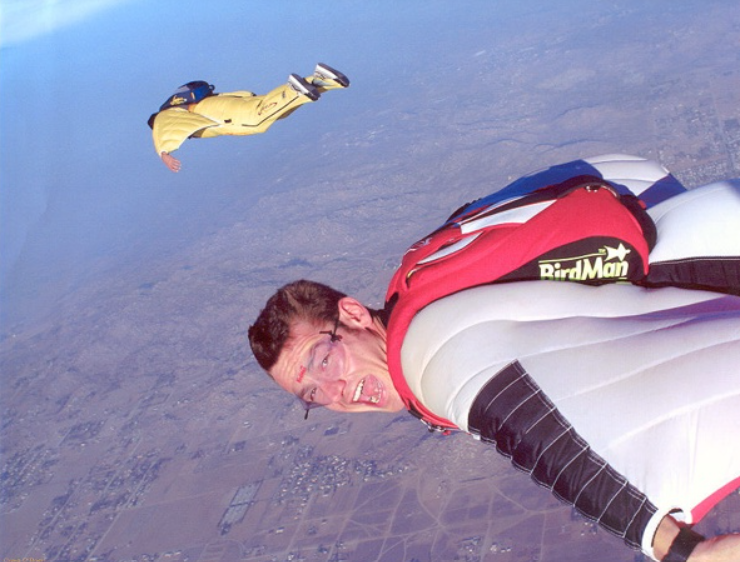
Wingsuit: The Evolution of Human Flight
The concept of the bird-suit has grown into one of the most exciting branches of skydiving. Discover the pioneers and the evolution of wingsuits.
The Pioneers Who Became Birds
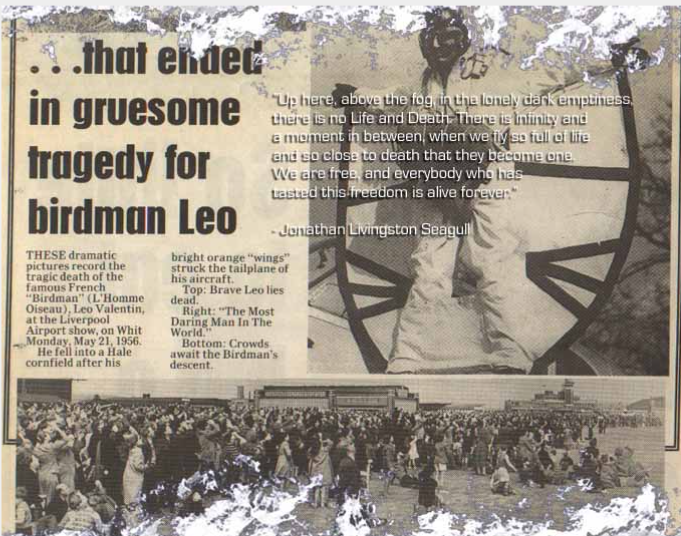
Leo Valentin (1950s)
We must first mention the French pioneer skydiver who experimented with a suit that connected his arms and legs, similar to a bird's wings, until his tragic death in 1956.
Patrick de Gayardon (1990s)
Also a French, famous, and highly experienced skydiver. Thanks to more advanced technology, he built the ancestor of the first commercially available wingsuit. After several years of successful flights, tragedy struck during a test jump in 1998.
The Legendary "Birdman" and Local Successes
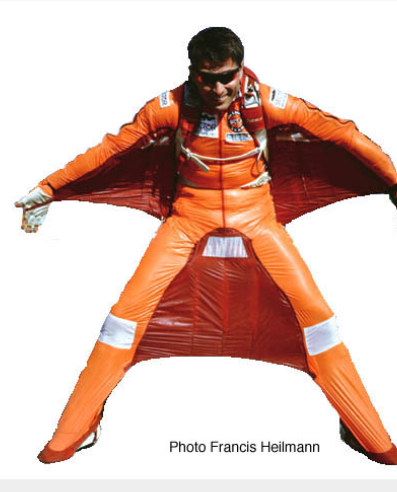
In 1999, the Finnish Jari Kuosma, with the help of Robert Pecnik and Stane Kranc, further developed de Gayardon's design and created the first classic wingsuit, marketed under the Birdman brand. Jari also created the First Flight Program, making the sport safer. Although the Birdman company no longer exists, there are many manufacturers on the market today, including, to our great pride, a Hungarian company, Intrudair Ltd.
The Wingsuit Scene in Hungary
The fever reached Hungary in 2002 when Zsolt Bárány and Csaba Szörényi tested the wings during a test weekend in Croatia, and then acquired the first suit in the country. Today, hundreds of people have completed the First Jump Course (FJC), which is held for free by local instructors for those interested who have a minimum of 200 skydives.
Did You Know? The Secret of the Glide Ratio
A normal, belly-flying skydiver falls towards the earth vertically at a speed of roughly 200 km/h. In contrast, with modern wingsuits, the horizontal speed can be increased to more than four times the vertical speed!